

January 31, 2025
The Moka pot, a beloved stovetop coffee maker, has made a resurgence in popularity thanks to its affordability and ability to produce a rich, intense coffee. While it does not generate the high pressure of traditional espresso machines, the Moka pot operates at about 1.5 bars of pressure, creating a strong and satisfying brew.
Understanding the Moka Pot
Invented in 1933 by Luigi De Ponti and Alfonso Bialetti, the Moka pot, also known as "la macchinetta" or "little machine," has long been a staple in Italian households. Unlike espresso machines that require between 7 to 11 bars of pressure, the Moka pot delivers a thicker and stronger coffee compared to standard drip brewers, making it a fantastic alternative for those who enjoy bold flavors.
Brewing the Perfect Moka Pot Coffee
To achieve the best results with your Moka pot, follow these simple steps:
1. Prepare the Water: Fill the lower chamber with water just below the safety valve. Using preheated water can help prevent over-extraction and bitterness.
2. Add the Coffee Grounds: Insert the filter and fill it with medium-ground coffee. Do not tamp the grounds, as compacting them can lead to bitterness and clogging.
3. Assemble and Heat: Secure the top and bottom parts of the Moka pot together and place it over medium heat.
4. Monitor the Brew: As the water heats, pressure will force it through the coffee grounds into the upper chamber. Once you hear a gurgling sound, remove the pot from the heat to prevent over-extraction.
Additional Tips for Optimal Brewing
- Season Your Moka Pot: Before the first use, brew a pot of coffee to season the interior. After each use, clean it with hot water only, avoiding soap, which can leave residue affecting the flavor.
- Manage Heat Properly: If your stovetop burner is too large, consider using a medium-heat pan such as cast iron for even heat distribution.
By following these guidelines, you can master the art of Moka pot brewing and enjoy a flavorful and authentic coffee experience, just as it was meant to be.
January 31, 2025
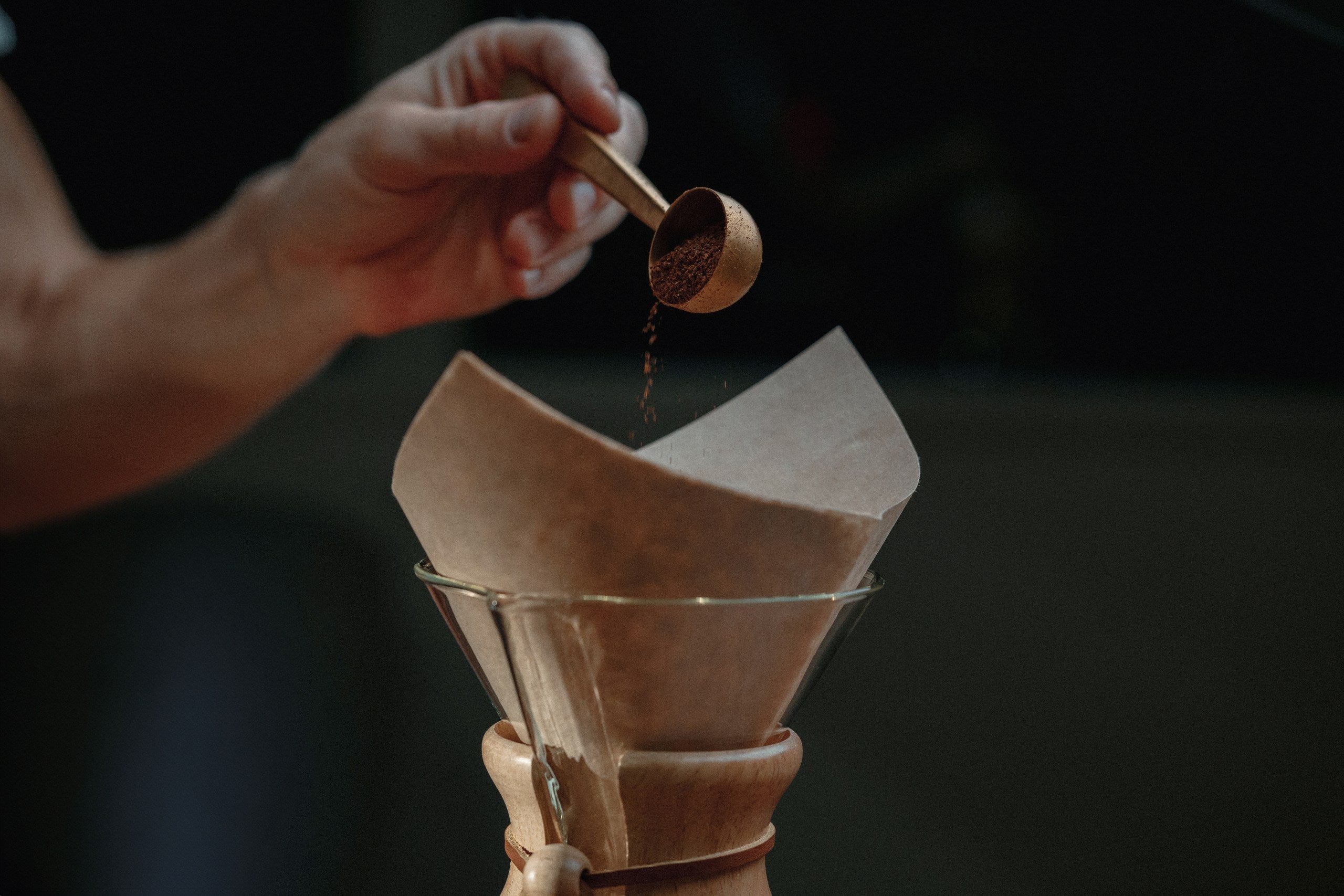
Crafting exceptional coffee at home doesn't require a fortune spent on equipment. By focusing on quality beans and essential tools, you can elevate your brewing experience.
Quality Coffee Beans
Start with freshly roasted beans from reputable roasters. For espresso enthusiasts, blends like Red Brick offer a balanced flavor profile. If you prefer filter coffee, single-origin options such as Ethiopia Werka Wuri provide delicate, floral notes. For those seeking decaffeinated choices, Colombia Tumbaga Decaf delivers bright, subtly fruity flavors.
Reliable Grinder
A consistent grind is crucial. Manual grinders like the Kingrinder K6 are excellent for single servings, offering good-quality burrs and multiple grind settings. For electric options, the Wilfa Svart is recommended for coarser grinds suitable for filter methods, while the Baratza Encore ESP provides versatility for both espresso and filter brewing.
Manual Brewing Equipment
Manual brewers are cost-effective and portable. The Bodum Kenya cafetière is a classic choice for immersion brewing. The AeroPress is praised for its ability to produce rich, flavorful coffee with minimal effort. The Hario V60 offers control over the brewing process, and the Clever coffee dripper combines immersion and filtration for a balanced cup.
Additional Accessories
While not essential, certain accessories can enhance your coffee experience. Thermal jugs, like the Hario heat-resistant server, keep your coffee warm for extended periods. Precise scales, such as the Minipress coffee scale, help in measuring coffee grounds accurately. Milk frothers like the Nespresso Aeroccino 4 can add a creamy texture to your beverages.
Items to Avoid
It's advisable to steer clear of flavored coffee beans, as they often contain additives that mask the natural flavors of the coffee. Investing in expensive coffee scales or unnecessary barista accessories may not significantly improve your brewing experience. Focus instead on quality beans and practical equipment.
By selecting the right tools and ingredients, you can enjoy barista-quality coffee in the comfort of your home.

The rising cost of coffee has been making headlines in financial and trade publications, raising an important question—what exactly is the price of coffee?
For some, the price of coffee refers to the cost of a latte at their local café, while for others, it means the price farmers receive for harvested coffee cherries. Between these two perspectives, there are numerous price points in the coffee supply chain, from farm-level payments to global benchmark prices.
One of the most widely referenced indicators in the coffee industry is the “C price,” a benchmark that influences the broader coffee trade. Despite being controversial and often misunderstood, the C price plays a key role in price setting within the market.
What Is the C Price for Coffee?
The C price is a global benchmark for green arabica coffee traded on the Intercontinental Exchange (ICE) in New York. The term originated when Central American coffee producers sought to distinguish their coffee from Brazilian coffee.
Through ICE, traders engage in futures contracts, which are agreements to buy or sell a specific amount of coffee at a set price in the future. These trades provide the market with a reference point—the C price—which is used by many in the industry, from farmers to roasters.
How Has the C Price Changed Over Time?
Like other commodities, coffee prices follow cycles of spikes and declines based on supply, demand, weather conditions, and economic trends.
From 1989 to 1994 and again from 2000 to 2004, coffee prices experienced sharp declines following the collapse of the International Coffee Agreement (ICA), which had previously regulated supply and prices.
In the early 2010s, prices surged due to coffee leaf rust disease, which damaged crops in Latin America.
Between 2017 and 2020, coffee prices dropped below $1 per pound, creating another crisis for producers.
In February 2025, the C price exceeded $4 per pound for the first time, making headlines worldwide.
How Speculation Impacts Coffee Prices
While supply and demand play a role in determining coffee prices, speculative trading by hedge funds, investment firms, and individual traders also influences the market. These financial participants often have no direct involvement in coffee production but buy and sell futures contracts based on market trends and economic forecasts.
This speculation can lead to price swings that are not necessarily tied to actual changes in coffee supply, creating uncertainty for farmers and businesses that rely on stable pricing.
Is the C Price a Reliable Indicator?
Despite its widespread use, the C price is not a perfect reflection of the realities faced by coffee producers, roasters, or consumers. It is shaped by financial markets and investor sentiment rather than purely by agricultural conditions or production costs.
While coffee prices will likely continue to dominate headlines in 2025, it is essential to recognize that the C price is a financial benchmark rather than an absolute measure of what coffee is worth. For those involved in the coffee industry, understanding the forces driving these prices is crucial in navigating the ever-changing market landscape.

January 23, 2025
For decades, coffee auctions have been a cornerstone of the industry, connecting producers with buyers and ensuring access to exceptional coffee lots. Traditionally, these auctions have been instrumental in highlighting premium coffees and providing producers with opportunities to secure better market access and prices.
Recently, the landscape of coffee auctions has undergone significant transformation. What once focused on individual regions or origins is now becoming more global. Auctions today are no longer limited to a single country; they are platforms where producers from various coffee-growing regions come together, offering roasters a broader range of flavors and experiences.
The Journey of Coffee Auctions
Initially designed to showcase high-quality green coffee, auctions have long been a way for producers—particularly smallholders—to earn premiums for their dedication to excellence. Historically, these events were held in person at the origin, drawing roasters from across the globe to cup, bid, and acquire unique lots. However, logistical challenges like travel costs and geographical distances posed barriers to both buyers and producers.
In response, technology has introduced virtual coffee auctions, making the process more accessible. Producers can now connect with buyers through online platforms, where samples are shipped, cupped, and bid on from anywhere in the world. This innovation has opened the door for more diverse participation, but until recently, most auctions remained focused on specific origins, limiting variety.
Why Global Coffee Auctions Matter
As consumer preferences evolve, the demand for unique and diverse coffee offerings continues to grow. Coffee lovers are increasingly seeking out novel flavor experiences, and global coffee auctions are uniquely positioned to meet this demand. By including producers from multiple countries, auctions can showcase an impressive spectrum of coffee varieties and processing methods, creating exciting opportunities for roasters.
For example, regions like Brazil are renowned for natural processing, while Colombia excels in washed coffees, and Costa Rica is famous for honey processing. Global auctions combine these unique characteristics, providing buyers with a curated selection of flavors that transcend geographical boundaries.
New Opportunities for Producers and Roasters
Global auctions also create significant benefits for producers. By participating in these events, they can establish a reputation, build networks, and reach markets they might not have accessed otherwise. For buyers, sourcing from international auctions helps elevate their brand by showcasing an exceptional selection of coffees, further engaging their customers.
One such event, the upcoming **Dubai Coffee Auction by DMCC**, highlights this global shift. Set to take place on February 10–11, 2025, the auction will feature twelve esteemed specialty coffee producers from nine countries, offering exclusive lots to buyers. Hosted in collaboration with M-Cultivo, this hybrid event combines in-person and virtual participation, making it more inclusive and accessible.
The Future of Coffee Auctions
As the coffee industry continues to globalize, auctions are becoming essential tools for connecting producers with roasters and consumers worldwide. By diversifying offerings and simplifying access, auctions help ensure that exceptional coffee can reach new audiences while delivering value to everyone involved in the supply chain.
Whether you're a producer looking to expand your reach or a roaster seeking unique lots to delight your customers, global coffee auctions offer a compelling opportunity. Don’t miss your chance to participate in this evolving movement that’s reshaping the specialty coffee industry.

Published on October 15, 2024
In the ever-evolving coffee industry, roasters face the challenge of meeting diverse consumer preferences. One effective strategy is to offer a variety of roast profiles, each highlighting different flavor characteristics and catering to a broad spectrum of tastes.
Understanding Roast Profiles
Roast profiles refer to the specific parameters and techniques applied during the coffee roasting process. These profiles determine the final flavor, aroma, and body of the coffee. The main roast levels include:
Light Roast – Beans are roasted for a shorter duration, preserving their original flavors and acidity. This results in a bright, tangy taste with fruity or floral notes.
Medium Roast – Achieved by extending the roasting time, medium roasts balance the beans' inherent flavors with the roast's influence, offering a harmonious blend of acidity, sweetness, and body.
Dark Roast – Beans are roasted longer, leading to a bold, robust flavor with pronounced bitterness and a heavier body. The roasting process's characteristics become more dominant, often overshadowing the beans' origin flavors.
Catering to Consumer Preferences
Today's coffee consumers have varied tastes, influenced by cultural backgrounds, personal experiences, and exposure to different coffee traditions. By offering multiple roast profiles, roasters can:
Satisfy Diverse Palates – Some consumers prefer the bright acidity of a light roast, while others might favor the deep, smoky notes of a dark roast. Providing options ensures that each customer finds a coffee that suits their taste.
Encourage Exploration – A range of roast profiles invites consumers to experiment and discover new flavors, deepening their appreciation for the complexity of coffee.
Build Brand Loyalty – When consumers find a roaster that offers their preferred roast level, they are more likely to become repeat customers, fostering brand loyalty.
Market Trends and Opportunities
The specialty coffee market has seen a growing interest in single-origin beans and unique flavor profiles. Roasters can capitalize on this trend by:
Highlighting Origin Characteristics – Light and medium roasts can showcase the distinct flavors of beans from specific regions, appealing to consumers interested in the story behind their coffee.
Offering Limited Editions – Seasonal or limited-edition roasts can create excitement and urgency, encouraging consumers to try new profiles and blends.
Challenges and Considerations
While offering a variety of roast profiles has its advantages, roasters should be mindful of:
Inventory Management – Maintaining multiple roast levels requires careful planning to ensure freshness and minimize waste.
Quality Control – Each roast profile demands precise control during the roasting process to achieve the desired flavor characteristics consistently.
Consumer Education – Providing information about the different roast levels and their flavor profiles can help consumers make informed choices and enhance their overall experience.
Conclusion
Incorporating a range of roast profiles allows roasters to meet the diverse preferences of today's coffee consumers. By understanding and implementing various roasting techniques, roasters can offer a spectrum of flavors, fostering customer satisfaction and loyalty in a competitive market.

The washed process has long been a staple in the coffee industry, celebrated for its ability to highlight the terroir and deliver clean, bright flavor profiles. Both industry professionals and consumers worldwide appreciate these characteristics. However, in recent years, there's been a noticeable rise in experimental processing methods, such as extended and anaerobic fermentations, which draw inspiration from industries like winemaking. Additionally, natural processed coffees are gaining traction among those who favor fruit-forward, funkier profiles.
This trend raises the question: Are washed coffees maintaining their popularity, or are other processing methods overshadowing them?
To gain insight, I spoke with Abenezer A., Managing Director of Origin Land Coffee, and Andreas Kussmaul, a trader at Exportadora de Café California (ECC), a subsidiary of Neumann Kaffee Gruppe.
The Appeal of Washed Processing Methods
While the natural process is the oldest in the coffee industry, washed coffees gained prominence in the early 20th century. For producers with access to adequate water resources, the washed process became a preferred method due to its consistency and the clarity it brings to the coffee's flavor profile. This method involves removing the cherry's pulp before fermenting and washing the beans, resulting in a cleaner taste that accentuates the bean's inherent qualities.
The Rise of Experimental Processing Methods
In recent years, there's been a surge in experimental processing techniques. Methods like anaerobic fermentation, where coffee cherries ferment in sealed environments without oxygen, have become more prevalent. These processes can produce unique flavor profiles, often with pronounced fruitiness and complexity, appealing to consumers seeking novel coffee experiences.
The Continued Relevance of Washed Coffees
Despite the growing interest in alternative processing methods, washed coffees remain a cornerstone of the industry. Their ability to consistently deliver clean and bright flavors ensures their ongoing appeal. Moreover, for many coffee professionals and enthusiasts, washed coffees represent a benchmark for quality, providing a clear expression of a coffee's origin and varietal characteristics.
Conclusion
While experimental and natural processing methods are gaining attention, washed coffees continue to hold a significant place in the coffee world. Their enduring popularity is a testament to their consistent quality and the pure, unadulterated flavors they offer. As the industry evolves, it's likely that washed coffees will remain a favorite among those who appreciate clarity and brightness in their cup.

For many coffee enthusiasts, the journey to a perfect cup extends beyond selecting high-quality beans. The equipment you use can dramatically influence your coffee's flavor, aroma, and overall experience. Whether you're a home barista or a seasoned coffee aficionado, understanding and investing in specialty coffee equipment can transform your daily brew into something extraordinary. Let’s explore some of the essential tools that can elevate your coffee game.
High-Quality Burr Grinder
Why It Matters: Freshly ground coffee is crucial for a flavorful cup. Burr grinders provide a consistent grind size, which is essential for achieving the right extraction during brewing.Types of Burr Grinders:
- Flat Burr Grinders: Known for their uniform grind size and consistency, these are great for espresso and other precise brewing methods.
-
Conical Burr Grinders: Typically quieter and less messy, they offer versatility for various brewing methods and are often more affordable.
Top Pick: The Baratza Virtuoso+ is renowned for its durability and precise grind settings, making it a favorite among coffee enthusiasts.
Precision Scale
Why It Matters: Accurate measurements of coffee and water ensure consistency in your brew, leading to better flavor control.
Features to Look For:
-
Tare Function: Allows you to weigh ingredients without including the weight of containers.
-
High Precision: Look for scales that measure to the nearest gram or even tenth of a gram for accurate dosing.
Top Pick: The Hario V60 Drip Scale is favored for its reliability and ease of use, especially for pour-over enthusiasts.
Coffee Maker
Why It Matters: The type of coffee maker you choose can significantly affect the taste and quality of your coffee.Types of Coffee Makers:
- Drip Coffee Makers: Ideal for brewing large quantities, with models like the Technivorm Cup-One offering single-serve precision.
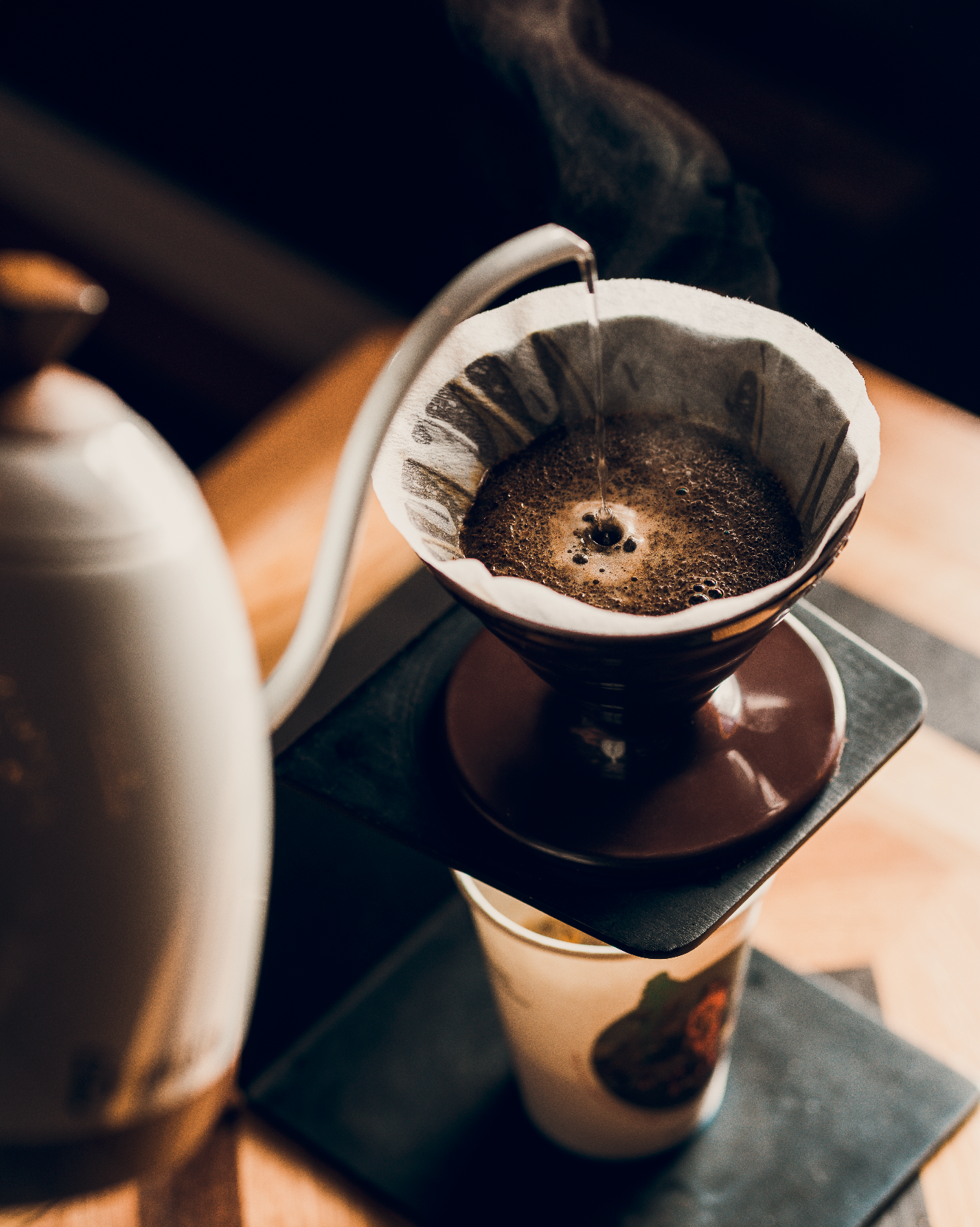
- Pour-Over Gear: Includes devices like the Chemex and Hario V60, which allow for manual control over brewing variables.
- Espresso Machines: Ranges from manual machines like the La Pavoni to automatic ones like the Breville Barista Express, each providing different levels of control and convenience.
Milk Frother
Why It Matters: For those who enjoy lattes, cappuccinos, or other milk-based coffee drinks, a high-quality milk frother can enhance the texture and richness of your milk.Types of Milk Frothers:
- Manual Frothers: Simple and affordable, like the handheld Aerolatte.
- Electric Frothers: Offer more convenience and features, such as the Nespresso Aeroccino4, which can froth and heat milk simultaneously.
Coffee Storage Solutions
Why It Matters: Proper storage preserves the freshness and flavor of your coffee beans, preventing them from becoming stale or losing their aroma.
Types of Storage Solutions:
-
Airtight Containers: Protect coffee beans from oxygen and moisture. Look for containers with a CO2 valve, such as the Fellow Atmos Vacuum Canister.
-
Coffee Vaults: Specialized containers designed to keep beans fresh, often featuring airtight seals and UV protection.
Investing in specialty coffee equipment can profoundly impact the quality of your coffee and enhance your brewing experience. From a precise burr grinder to a versatile coffee maker, each tool plays a role in crafting the perfect cup. As you explore these tools, consider your personal preferences and brewing style to choose the equipment that best suits your needs. With the right gear, you can turn your daily coffee ritual into a moment of pure enjoyment and satisfaction.
Happy brewing!
Coffee is more than just a drink; it's a global phenomenon that transcends borders and cultures. From its mythical origins to its aromatic presence in cafes around the world, coffee has a way of bringing people together in a shared experience of bold flavors and rich history.
What makes coffee so special?
With each sip, coffee takes you on a journey through time and space, awakening your senses and invigorating your spirit. It's not just a beverage; it's a passport to different lands and traditions, a key to unlocking new perspectives and connections.
How can you embrace the coffee adventure?
Step out of your comfort zone and explore the diverse world of coffee. Try different brewing methods, sample beans from various regions, and immerse yourself in the rituals and stories that accompany each cup. Challenge your taste buds and expand your horizons with each new blend.
Why should you join the coffee revolution?
Coffee is more than just a drink; it's a lifestyle, a culture, a way of life. By embracing the coffee adventure, you open yourself up to a world of possibilities and experiences. You become part of a global community united by a love for the bold and the flavorful, the adventurous and the inspiring.
So, are you ready to embark on this coffee journey? Grab your mug, take a sip, and let the rich aroma of coffee transport you to new heights of taste and discovery. The world of coffee awaits, full of bold flavors and exciting experiences. Cheers to the coffee adventure!